
Weathering
Salt bloom, paint loss, and rust seams are left visible as historical evidence of exposure and repair cycles.
Why this archive exists
This reference site gathers archive photography, keeper recollections, and place-based notes so the story of each light can be understood in context rather than as isolated facts. Use it to compare towers, trace regional change, and follow the preserved sites map as a practical guide for deeper study.
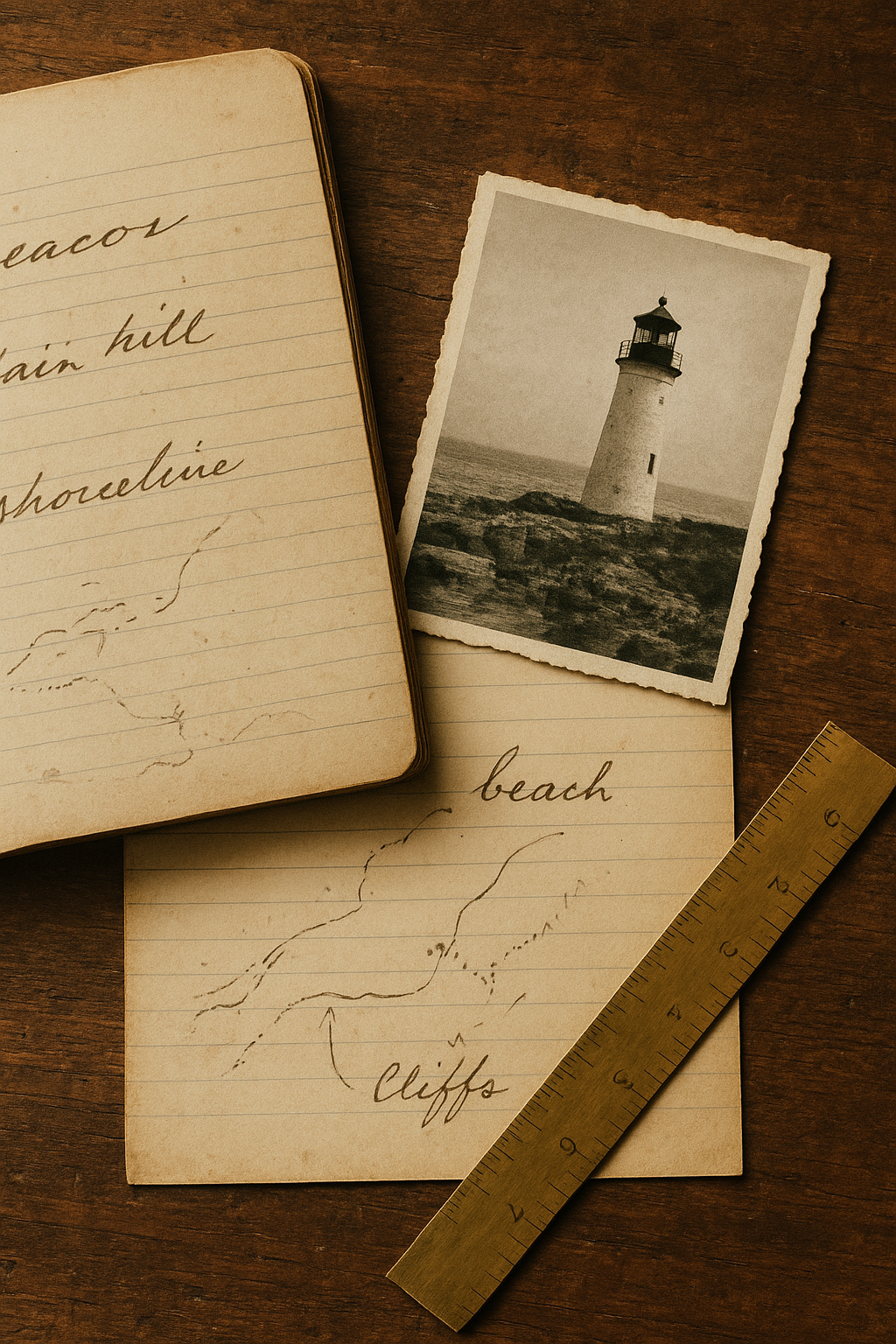
Photographic method
Each frame is composed to preserve evidence of use, weather, and place so readers can read towers the way keepers and mariners once did.
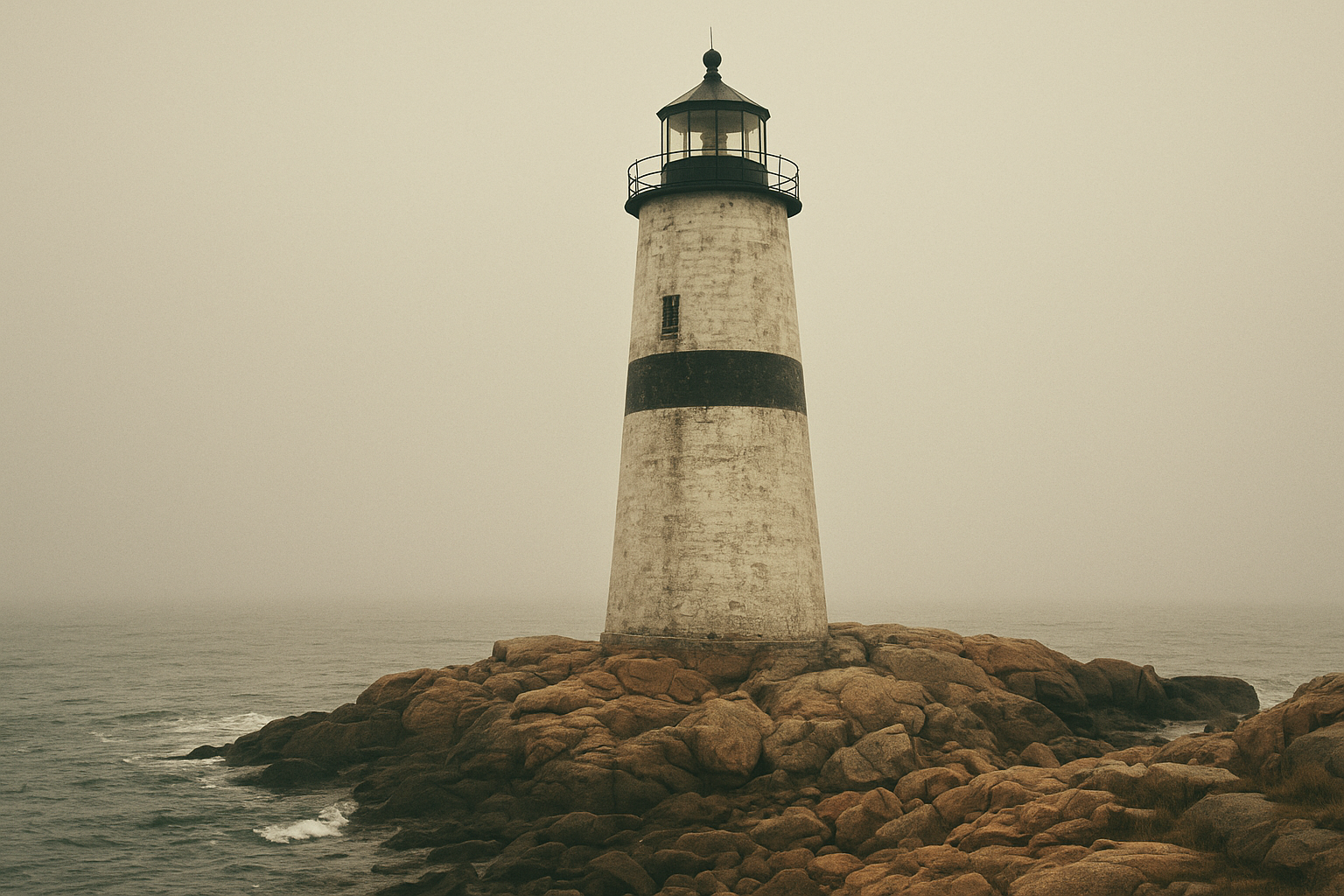
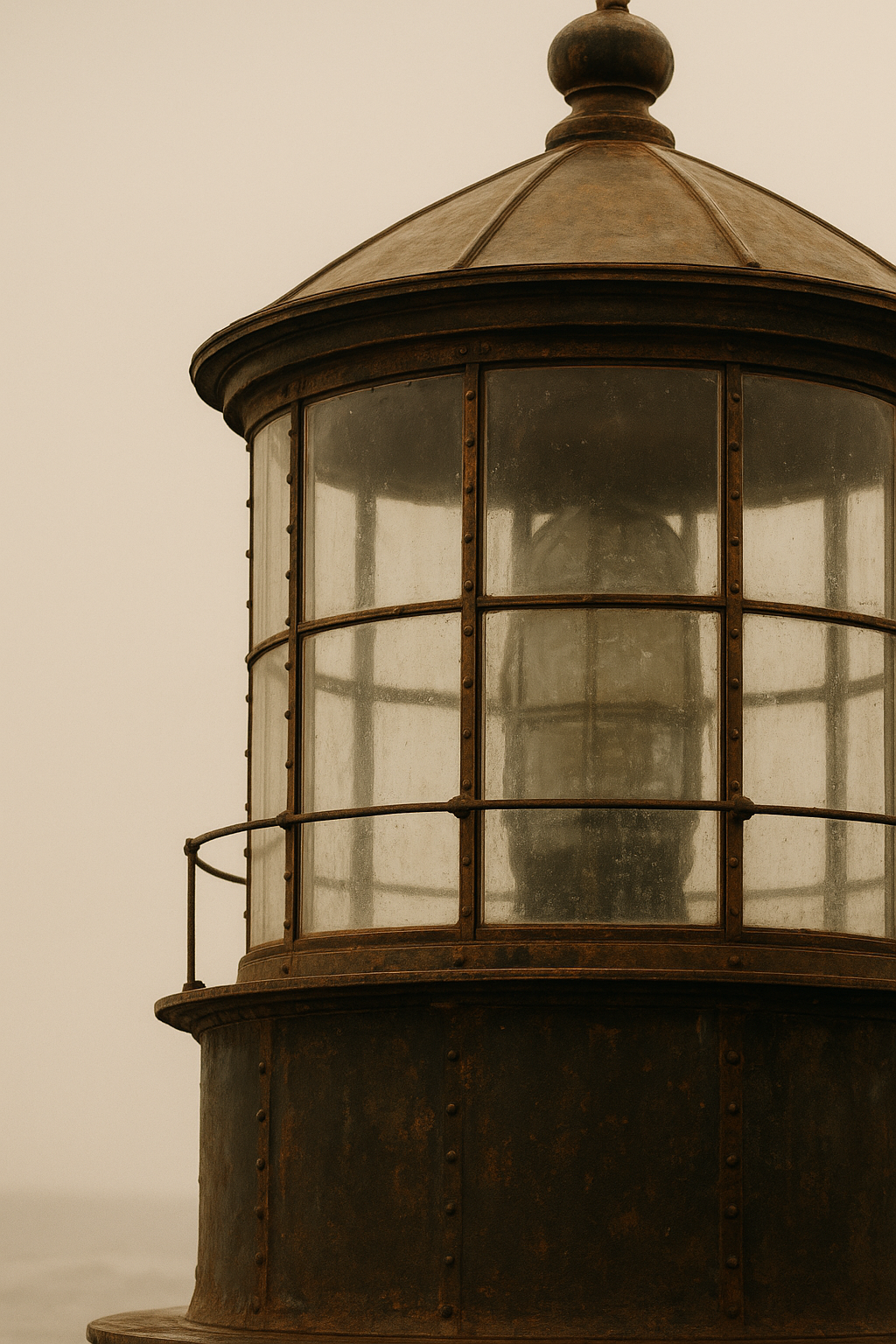
Salt bloom, paint loss, and rust seams are left visible as historical evidence of exposure and repair cycles.
We prioritize glazing, metalwork, and optic housings so the engineering language remains legible to readers.
Haze, spray, and low cloud are retained to describe navigation conditions rather than idealized postcard weather.
Stone joints, mortar shifts, and patchwork repairs are framed square-on for comparison across sites and eras.
Every tower is shown with horizon cues, landing paths, and nearby structures so its role in the coastal network is clear at a glance.